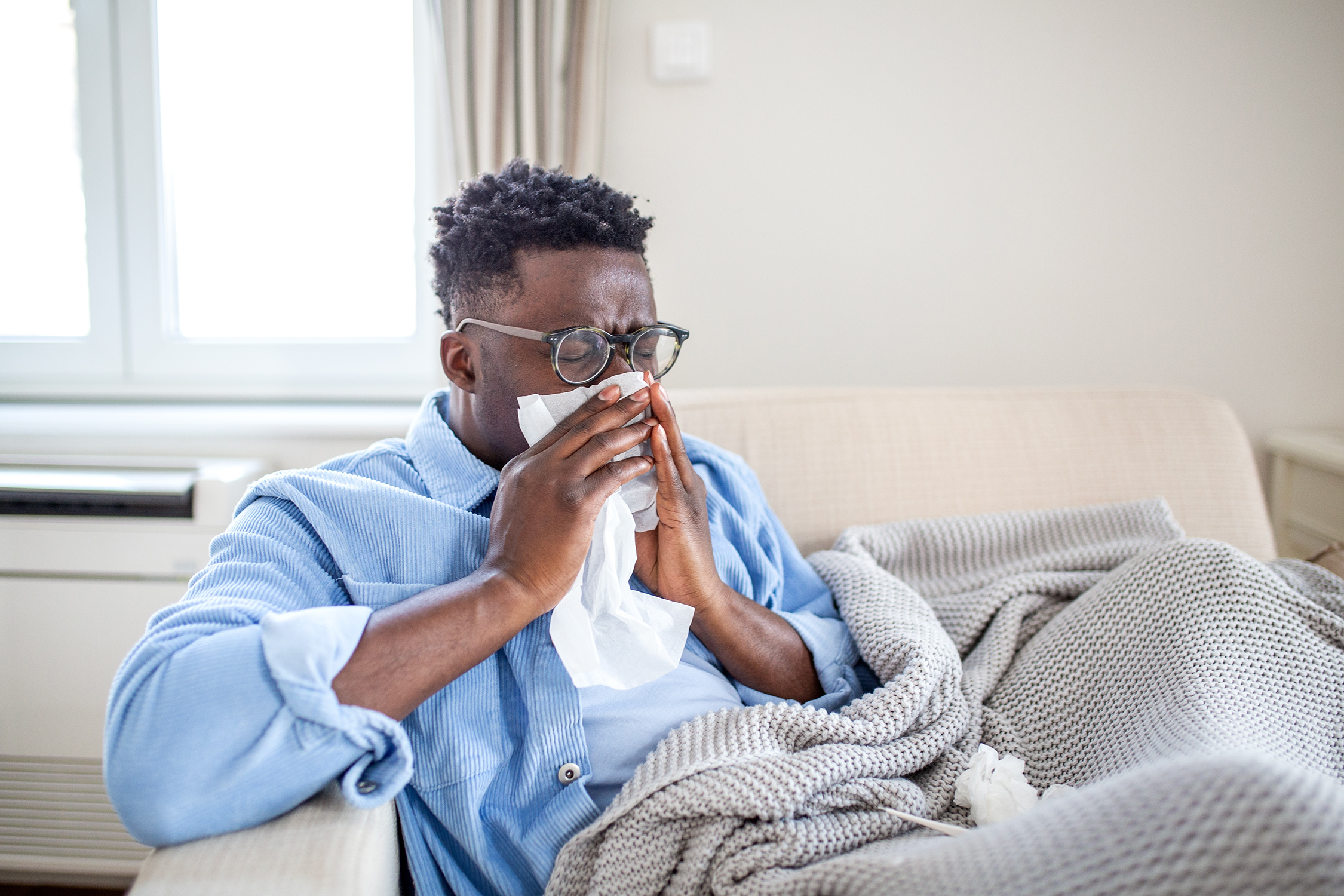
While weekends and getaways from work and the rigmarole of daily life are perfect opportunities for your mind, body and soul to reboot and recharge, for some, these leisurely breaks can actually be sickening…literally.
In 2001, Dutch psychologists Ad Vingerhoets and Maaike Van Juijgevoort produced the first systematic report identifying leisure sickness as a condition where people experience flu-like symptoms, headaches, fatigue, muscle aches, and nausea before or while they are on a leisurely break1.
The study found that about three percent of the Dutch population, included in a survey, reported that they had been suffering from these symptoms constantly for periods as long as ten years or more, over weekends or during a holiday. The study also found that leisure sickness was more prevalent in males than in females.
The research revealed that the ailment affected perfectionists and workaholics who, when in a relaxed state, become susceptible to viruses and fatigue. Common symptoms they experienced were headaches, fatigue, muscle aches, nausea, and cold or flu-like symptoms.
Why does taking a break make you sick?
While there might be some who don’t think leisure sickness is real, research suggests that one of the causes of leisure sickness is the fact that the body often resists illness and disease when under a lot of stress, so when you relax, your body becomes vulnerable. This, scientists say, is known as the ‘let-down effect’.
Another potential cause for leisure sickness speaks to the unawareness of any physical symptoms you might be experiencing until your obligations are over and you have had a chance to focus on yourself. For example, if you’re wrapped up in a busy week, a sore back or a dull headache may go unnoticed until the moment you sit down, begin packing your bags or start your holiday. For some, the prospect of re-stressing after de-stressing may be stressing enough to cause leisure sickness.
Another theory about why people get sick points to the overload of adrenaline that’s behind the flu-like symptoms.
When we are overwhelmed, our body produces more adrenaline to give us the energy to take on more tasks and responsibilities. However, some of us who are unable to disengage from our obligations before taking a holiday may sometimes continue to produce these high levels of adrenaline even though we aren’t facing the obligations and no longer need it.
Having all this excess energy when you don’t need it is said to create an imbalance in your body.
Another reason cited in the research is the change in sleep patterns and the amount of alcohol or caffeine we may consume, which often changes on vacations, which can also cause an imbalance and compromise body rhythm.
And lastly, it is thought that leisure sickness could be connected to the idea that our bodies are able to respond to sickness until we are ready to handle it.
Who is most at risk?
Our bodies are made up of complex systems. These systems must be in balance for healthy functioning. Extreme stress disrupts this balance, which can lead to chronic inflammation in the body, interrupted sleep, digestion issues, breakouts, mood slumps, and a decrease in immunity, which makes us more susceptible to illness.
According to Amanda L. Giordano in her book A Clinical Guide to Treating Behavioural Addictions, most people working in high-stress environments don’t know how to relax. Overworking may begin as a means of coping with psychological pain or stress in other parts of your life (eg relationships), yet over time becomes the only way you know how to manage stress, leading to a dependency on the behaviour, Giordano says. She believes that leisure sickness is withdrawal from work addiction.2
Getaways can be stressful – no matter how big or small – the admin tasks pretty much boil down to the same things – making a booking, finding accommodation, planning tours, sorting out pets, safeguarding the home, etc (thankfully, with Multiply Travel, we take all the work out of that for you).
Often, it’s the second you settle into your seat on a plane or in your car that you feel your body decompress, so to speak.
According to Pharma Dynamics, the leading provider of colds and flu medication, over 1,7 million South Africans might be prone to symptoms of illness over weekends and holidays. While this might feel like a new occurrence, it could be that today’s scientists are starting to pay more attention to it.3
How can you combat leisure sickness?
Making healthy choices when it comes to food, exercise, and sleep, and being intentional about making time to destress eg giving yourself a ten-minute timeout – no phone, no noise, just you and your breath.
Taking an immune booster can also help, as well as staying hydrated.
Before leaving on vacation, try to minimise potential stresses by:
- pre-booking activities that you are hoping to do while away
- reserving a flight outside of rush hour so you are not anxious about making your flight
- avoid working long hours right up to the start of your leave – instead, build in buffer days so you are able to ease into and out of the holidays more gradually.
Although more research is needed, leisure sickness may be the body’s withdrawal from elevated adrenaline and stress hormones. By making healthy choices every day and including constructive coping mechanisms in your daily life, de-stressing will become part of your norm.
- Work, Vacation and Wellbeing – Dalia Etzion https://www.google.co.za/books/edition/Work_Vacation_and_Well_being/TnatDwAAQBAJ?hl=en&gbpv=1&dq=leisure+sickness&pg=PA104&printsec=frontcover ↩︎
- A Clinical Guide to Treating Behavioural Addictions by Amanda L. Giordano https://www.google.co.za/books/edition/A_Clinical_Guide_to_Treating_Behavioral/bO0lEAAAQBAJ?hl=en&gbpv=1&dq=leisure+sickness&pg=PA226&printsec=frontcover ↩︎
- https://www.mydynamics.co.za/health_post/dont-fall-victim-to-leisure-sickness/ ↩︎