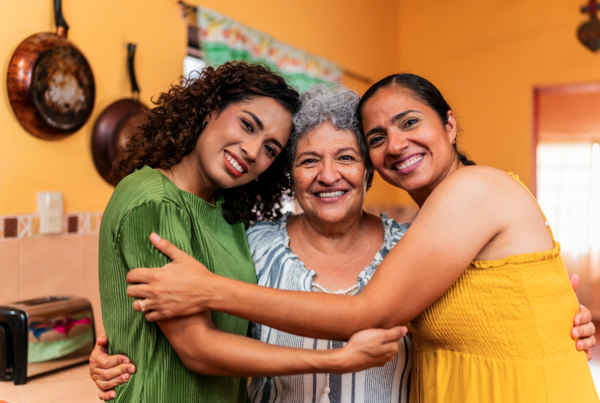
For many of us, friendship is woven into daily life activities – the school run, the stokvel, the church group, the walking club, the colleague who notices when you are quieter than usual, or the neighbour who checks in when the curtains stay closed for too long.
In other words, friendship is not just good for the soul. It can be a form of prevention.
“Strong friendships aren’t only emotionally meaningful; they can also help you take ownership of your physical, mental and social wellbeing. True health is more than the absence of illness. It is about feeling supported in the everyday choices that help you live well, says Maria Carpenter, Head of Momentum Multiply.
Here are five ways to turn friendship into a practical health habit:
Get healthier together
Healthy habits are easier to maintain when they are shared. Instead of trying to overhaul your lifestyle alone, invite friendship into the process. Start a Saturday morning walking group in your neighbourhood, swap simple healthy recipes on WhatsApp, or create a “screening buddy” system where you and a friend remind each other to book important health checks such as blood pressure, cholesterol, blood sugar and health screenings. When health becomes a shared activity, it feels less like a chore and more like connection.
Schedule connection before you feel overwhelmed
Connection should not only happen when life feels heavy. Just as you would diarise a doctor’s appointment, school meeting or work deadline, make space for the relationships that help keep you well.
This could be a monthly coffee date, a weekly walk, a standing lunch break with a colleague, or a Sunday evening voice-note check-in with a friend. These small, consistent moments can become emotional checkpoints that help you notice stress before it becomes burnout.
Ask the questions that matter
Many of us are experts at saying “I’m fine” even when we are not. Better questions can open the door to more honest conversations.
Instead of only asking, “How are you?”, try asking: “How are you really sleeping?”, “When last did you rest?”, “What is feeling heavy right now?”, “Have you eaten properly today?” or “Is there an appointment you have been putting off?”
These questions show care, but they also help you pause and notice what your bodies and minds may be trying to tell you.
Build different circles of support
One friend doesn’t need to meet every need. One may be your walking partner, another your emotional support, and another the person who makes you laugh when life feels too serious.
Different circles – family, colleagues, neighbours, faith communities, stokvels, fitness groups or school networks can all contribute to wellbeing. The key is to recognise which relationships energise, support and encourage healthier choices, and to invest in those connections intentionally.
Allow people to support you
Saying yes when a friend offers to accompany you to a medical appointment, drop off a meal, or simply listen without judgement can reduce stress and support both emotional and physical recovery. Accepting care isn’t weakness; it’s part of staying well.
“When people feel supported, they’re more likely to keep going with the small actions that protect their health,” adds Carpenter. “That’s why complete wellbeing matters, because health ownership is not only about knowing your numbers, but also about building the daily habits, support systems and mental wellbeing that help you make healthier choices and sustain them.”
Your health is not a solo journey. The friendships already woven into your life may be helping you stay well in more ways than you realise. By sharing health goals, asking better questions, and allowing yourself to receive care, everyday connection can become one of your most powerful health habits.
Start small: schedule the walk, send the voice note, create a screening buddy system, or ask someone you care about, “How are you really doing?”
Because sometimes, owning your health starts with letting someone walk beside you.
Visit Momentum Multiply to know your health, support your wellbeing, and be rewarded for the choices that help you own your health journey.