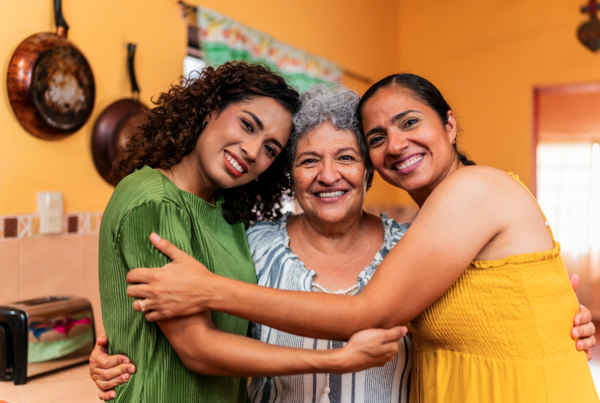
When we think about health, we picture kale smoothies, gym bunnies, or meditation poses. But here’s the truth: connection is just as important as diet and exercise. In fact, one of the longest-running studies in history found that strong relationships are the single biggest predictor of long-term health and happiness. Not wealth, not fame, not cholesterol levels. Meaningful relationships.
So, why does connection help you live longer?
- Stress buffers: Sharing worries with friends has been proven to make us healthier. Studies show that strong friendships and social bonds reduce cortisol (the stress hormone), stress-related inflammation, lowers risks of heart disease, stroke and type 2 diabetes.
- Brain health: Regular interaction keeps your mind sharp, lowering risks of dementia and cognitive decline.[1] When we feel connected, cortisol levels drop, protecting the hippocampus (critical for memory) in the brain from stress-related damage.
- Happiness factor: Belonging activates “reward” circuits in the brain, reinforcing positive emotions and reducing risk of depression and anxiety.[1] People with rich social lives report higher life satisfaction and optimism – both linked to longevity.[2]
The quirky ways we can connect
Humans have proven to be endlessly inventive when it comes to bonding. Some quirky ways we connect these days that ten years ago, would’ve seemed “offbeat”, include:
- Fitness challenges: From step-count competitions to running clubs to “plank wars”, playful athletic competition keeps people connected and motivated….and moving!
- Virtual watch parties: An evolution of “shared TV time”, we have started syncing up Netflix or YouTube to laugh, cry, or scream at the same scenes together.
- Shared playlists: Nothing says “friendship” like curating a soundtrack for someone you care about, either to liven up their commute or bring vibes to their workout.
- Gaming squads: Whether you’re into Fortnite or not, gaming has become the grown-up version of hanging out after work, where teaming up online strengthens real-life bonds.
Some tips on how you can cultivate connection
Healthy humans aren’t built on kale and marathons alone. They’re built on laughter, shared stories, and the occasional family group chat that brightens your days. Cultivating connection shouldn’t feel like a chore. Here are some tips you can follow to connect with your faves:
- Join interest-based groups (cycling /running clubs, cooking classes, volunteer projects) in real-life or via social media like the MultiplyCONNECT Facebook group.
- Swap texting for a video call.
- Schedule “friend dates” like you would a workout or an appointment.
- Mix generations by chatting with grandparents, mentoring younger colleagues, or joining intergenerational activities.
If you want to live longer and happier, invest in your relationships as you invest in your health. Because at the end of the day, the best medicine might just be a friend who knows your coffee order.
[1] https://psyforu.com/the-neuroscience-of-belonging-unpacking-the-brains-response-to-social-bonds/[2] https://www.cnbc.com/2023/02/10/85-year-harvard-study-found-the-secret-to-a-long-happy-and-successful-life.html
[1] https://www.cdc.gov/social-connectedness/risk-factors/index.html?utm_source=copilot.com