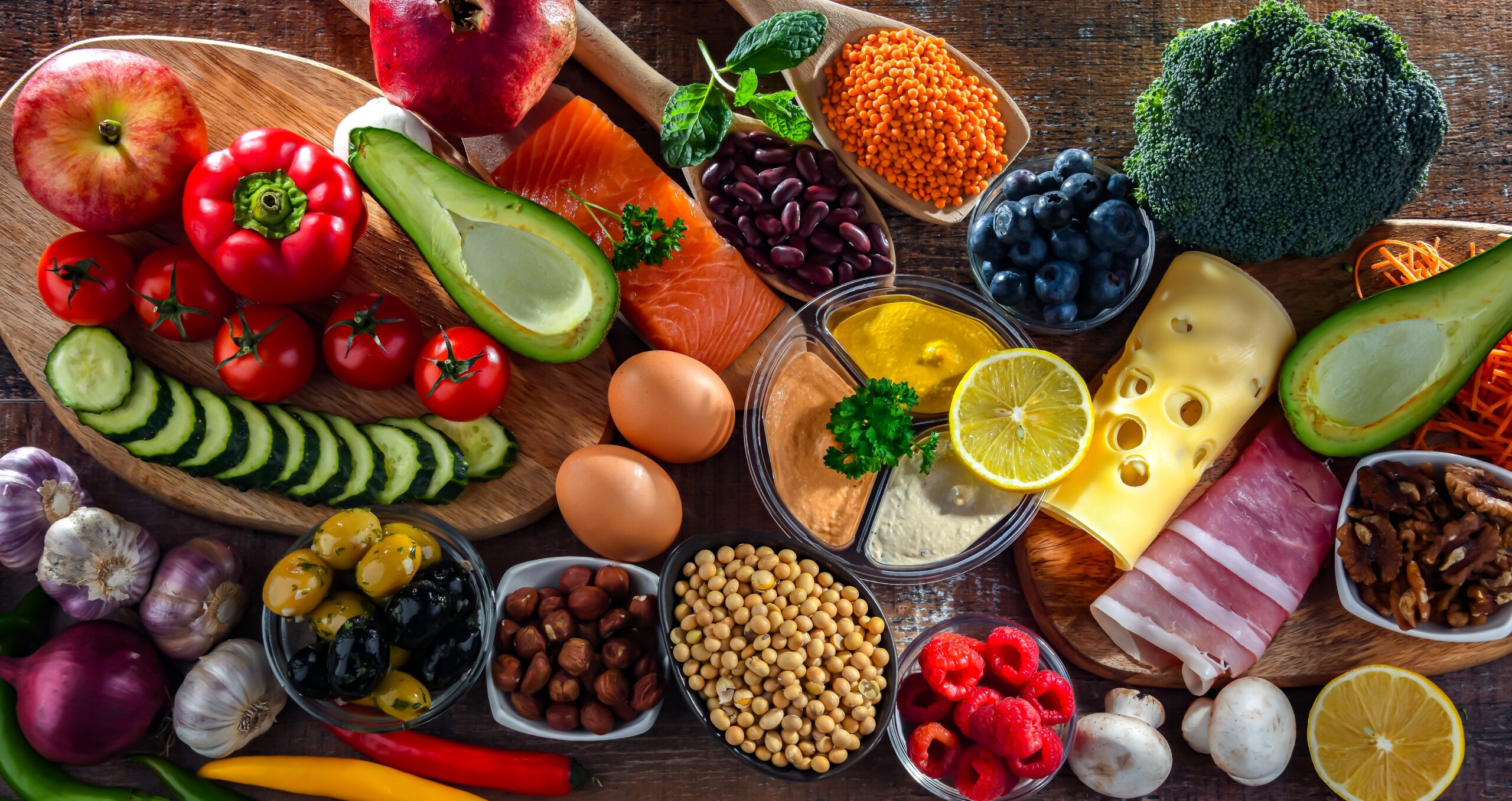
Wondering if you need to overhaul your plate? Relax. The basics haven’t changed, but there are some fresh insights worth knowing. We chatted with registered dietician, Danielle Oldfield (Danni Health) to break it down.
What we love about the new guidelines
Protein is bigger than we thought
Turns out, we should be aiming for 1,2 – 1,6 grams of protein per kilo of body weight daily. That’s about a palm‑sized portion three times a day… think eggs, chicken, beans, pilchards, dairy.
Protein keeps you full, protects muscle, and supports your metabolism.[2]
“Beyond total daily protein intake, how protein is distributed across the day also matters. Spreading protein evenly across meals improves muscle protein synthesis, satiety, muscle preservation during weight loss, prevents sarcopenia (the gradual loss of muscle mass, strength and physical performance that happens with age) in the elderly and improves metabolic control – particularly during fat loss,” says Oldfield.
Ultra-processed food is the real villain
For the first time, the guidelines call out packaged, processed foods as a health risk. The evidence is clear: they’re linked to obesity, diabetes, cardiovascular disease, and early mortality. [3,4]
Real food is not an aspirational wellness concept. Real food wins, every time.
Full-fat dairy is back
The low-fat era is officially done! Full-fat dairy doesn’t raise heart risk the way we once thought,[5] and low-fat versions often sneak in sugar.
Go for full-fat yoghurt, whole milk, real cheese. Your body will thank you.
Sugar is the enemy, not fat
No amount of added sugar is recommended – specially for kids under four years old.
This matters because added sugar is hiding everywhere: breakfast cereals, flavoured yoghurt, tomato sauce, “healthy” muesli bars. Sugar consumption is directly linked to metabolic disease, obesity, and type 2 diabetes.[6]
Cutting it back is one of the best things you can do for your health.
Where things get tricky
The fat debate isn’t over
The guidelines say keep saturated fat under 10% of calories but admitted that more research is needed.
Here’s the truth. Everyone’s tolerance is different. Your cholesterol might spike with butter; but someone else’s does not.[7] Butter behaves differently than deep-fried chips. Olive oil behaves differently than seed oils.
Blood work is your best guide.
Carbs are personal
Some thrive on oats and rice, others feel better with more protein and veg [8]. Pay attention to how you feel after meals – if you’re crashing two hours later, try fewer carbs and more protein.
Guidelines are just a starting point
Nutrition isn’t a one‑size‑fits‑all. The real test is how your body responds – how’s your energy, mood, blood markers? Adjust from there.
What always works
Your grandmother had it right:
Eat real food. If it grew, swam, or walked, eat it. If it has 15 ingredients and you can’t pronounce most of them, don’t.
Get enough protein. A palm-sized portion three time a day.
Load up on veggies. Half your plate at lunch and dinner.
Cut sugar. Swap cooldrinks for water, flavoured yoghurt for plain with fruit, two-minute noodles for samp and beans (it’s the same price and 10 times more nutritious).
Keep it affordable. Eggs, pilchards, beans, frozen vegetables, and seasonal produce are fit for your pocket plus, stretch your Rands even further with your cashbacks and discounts at Pick n Pay, Woolworths, Checkers and Shoprite.
Build one habit at a time. Add one healthy tweak at a time – like an egg to breakfast this week.
Muscle is a metabolic organ – protect it!
Protect muscle with protein and strength training, it’s about body composition, not just weight.
Oldfield sums it all up: “The most important takeaway is not a single nutrient target, but the renewed focus on eating real, minimally processed food and getting enough protein. For most people, simply prioritising protein at each meal and reducing ultra-processed foods, delivers the biggest improvement in metabolic health.”
Ready to eat smarter?
Momentum Multiply runs regular challenges that help you build and track healthy habits, whether it’s adding more protein, choosing real food over processed food or simply noticing what makes you feel good. Because every move counts, and the right fuel makes all the difference.
References:
[1] Dietary Guidelines for Americans, 2025-2030. U.S. Department of Agriculture and U.S. Department of Health and Human Services.
[2] Paddon-Jones D, et al. Protein, weight management, and satiety. American Journal of Clinical Nutrition. 2008;87(5):1558S-1561S.
[3] Pagliai G, et al. Consumption of ultra-processed foods and health status: a systematic review and meta-analysis. British Journal of Nutrition. 2021;125(3):308-318.
[4] Monteiro CA, et al. Ultra-processed foods: what they are and how to identify them. Public Health Nutrition. 2019;22(5):936-941.
[5] Astrup A, et al. Saturated fats and health: a reassessment and proposal for food-based recommendations. Journal of the American College of Cardiology. 2020;76(7):844-857.
[6] Johnson RK, et al. Dietary sugars intake and cardiovascular health. Circulation. 2009;120(11):1011-1020.
[7] Dreon DM, et al. Change in dietary saturated fat intake is correlated with change in mass of large low-density-lipoprotein particles. American Journal of Clinical Nutrition. 1998;67(5):828-836.
[8] Evert AB, et al. Nutrition therapy for adults with diabetes or prediabetes: a consensus report. Diabetes Care. 2019;42(5):731-754.